B2B Logistics Solutions: Enhancing Your Supply Chain Efficiency
- Chanky Logistics

- Jun 21
- 4 min read
In today’s fast-paced market, efficient supply chains are the backbone of successful businesses. When it comes to moving goods reliably and on time, partnering with the right logistics experts can make all the difference. That’s where b2b logistics solutions come into play. They streamline operations, reduce costs, and improve delivery times, helping businesses stay competitive and responsive.
Why Choose B2B Logistics Solutions?
Choosing the right logistics partner is more than just finding a company that moves your goods. It’s about building a relationship that supports your business goals. B2B logistics solutions offer tailored services designed to meet the unique needs of businesses, not just consumers.
Here’s why these solutions matter:
Customized Freight Services: Whether you need land, sea, or air freight, B2B logistics providers offer flexible options that fit your shipment size and schedule.
Cost Efficiency: By optimizing routes and consolidating shipments, they help reduce transportation costs.
Technology Integration: Advanced tracking and management systems provide real-time updates and analytics.
Risk Management: Experienced providers anticipate and mitigate risks like delays, damage, or compliance issues.
Scalability: As your business grows, logistics solutions can scale with you, handling increased volume without sacrificing quality.
These benefits translate into smoother operations and happier customers. Imagine cutting down delivery times while keeping costs low - that’s the power of effective logistics.

What is B2B in Logistics?
B2B stands for business-to-business, which means transactions or services conducted between companies rather than between a company and individual consumers. In logistics, B2B refers to the services that help businesses move goods, manage inventory, and handle distribution efficiently.
Unlike B2C (business-to-consumer) logistics, B2B logistics often involves:
Larger shipment volumes
More complex supply chains
Customized delivery schedules
Specialized handling requirements
For example, a manufacturer shipping raw materials to a factory or a wholesaler distributing products to retailers relies on B2B logistics. These providers understand the nuances of commercial shipping, including compliance with trade regulations and managing bulk freight.
By focusing on these specific needs, B2B logistics solutions ensure that businesses can maintain steady production and meet market demand without interruption.
Key Features of Effective B2B Logistics Solutions
To truly enhance supply chain efficiency, B2B logistics solutions must offer a range of features that address common challenges. Here are some critical elements to look for:
1. End-to-End Supply Chain Visibility
Transparency is crucial. Knowing where your shipment is at every stage helps you plan better and respond quickly to issues. Modern logistics providers use GPS tracking, RFID tags, and cloud-based platforms to give you real-time data.
2. Flexible Transportation Modes
Different goods require different transport methods. A reliable logistics partner offers multiple options:
Road Freight: Ideal for regional deliveries and last-mile distribution.
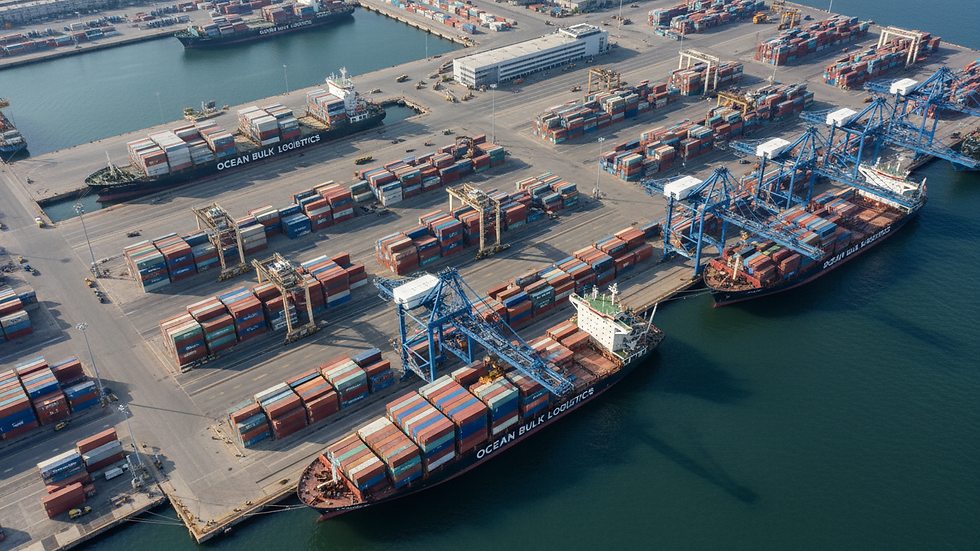
Sea Freight: Cost-effective for large, heavy shipments over long distances.
Air Freight: Fastest option for urgent or high-value goods.
Choosing the right mode depends on your budget, timeline, and product type.
3. Inventory and Warehouse Management
Efficient storage and inventory control reduce delays and prevent stockouts. Many B2B logistics providers operate warehouses with advanced systems that track inventory levels and automate order fulfillment.
4. Compliance and Documentation Support
International shipping involves complex regulations. A knowledgeable logistics partner handles customs paperwork, import/export licenses, and ensures compliance with local laws to avoid costly fines or delays.
5. Dedicated Customer Support
Issues can arise anytime. Having a responsive support team that understands your business ensures problems are resolved quickly, keeping your supply chain running smoothly.
By integrating these features, logistics providers help businesses reduce waste, improve delivery accuracy, and increase overall efficiency.
How to Select the Right B2B Logistics Provider
Choosing a logistics partner is a strategic decision. Here’s a step-by-step guide to help you make the best choice:
Step 1: Assess Your Needs
Start by analyzing your supply chain requirements:
What types of goods do you ship?
What are your volume and frequency?
Do you need domestic or international services?
What are your delivery time expectations?
Step 2: Research Potential Providers
Look for companies with proven experience in your industry and region. Check their service offerings, technology capabilities, and customer reviews.
Step 3: Evaluate Technology and Tracking
Ensure the provider uses modern systems for shipment tracking and supply chain management. This transparency is vital for proactive decision-making.
Step 4: Consider Cost and Value
Request detailed quotes and compare pricing structures. Remember, the cheapest option isn’t always the best. Focus on value, reliability, and service quality.
Step 5: Verify Compliance and Certifications
Make sure the provider complies with industry standards and holds necessary certifications. This reduces risks related to customs and regulatory issues.
Step 6: Test Customer Service
Reach out with questions or concerns before committing. Responsive and knowledgeable support is a good indicator of future service quality.
Following these steps will help you find a logistics partner that aligns with your business goals and enhances your supply chain efficiency.
Maximizing Supply Chain Efficiency with a Trusted Partner
Partnering with a reliable b2b logistics provider can transform your supply chain. Here’s how to get the most out of this relationship:
Collaborate on Planning: Share your forecasts and sales plans to help your logistics partner optimize routes and inventory.
Leverage Data Analytics: Use insights from logistics reports to identify bottlenecks and improve processes.
Invest in Technology Integration: Connect your systems with your provider’s platform for seamless communication.
Focus on Continuous Improvement: Regularly review performance metrics and adjust strategies to enhance efficiency.
Build Long-Term Relationships: Trust and communication lead to better problem-solving and innovation.
By working closely with your logistics partner, you can reduce lead times, lower costs, and improve customer satisfaction.
The Future of B2B Logistics Solutions
The logistics industry is evolving rapidly with new technologies and changing market demands. Here are some trends shaping the future:
Automation and Robotics: Automated warehouses and drones will speed up handling and delivery.
Sustainability Initiatives: Eco-friendly transport options and packaging will become standard.
Artificial Intelligence: AI will optimize routes, predict demand, and manage risks more effectively.
Blockchain for Transparency: Secure, tamper-proof records will improve trust and compliance.
Omnichannel Logistics: Seamless integration across multiple sales channels will be essential.
Staying ahead means choosing a logistics partner that embraces innovation and adapts to your evolving needs.
Taking the Next Step in Supply Chain Excellence
Efficient logistics is no longer a luxury - it’s a necessity. By leveraging expert b2b logistics solutions, businesses can unlock new levels of performance and growth. Whether you’re shipping locally or globally, the right partner will help you navigate complexities and deliver results.
Explore how a trusted logistics provider can support your supply chain goals today. Streamline your operations, reduce costs, and expand your reach with confidence!


