Creating Engaging Business Logistics Blogs: Top Logistics Blogging Tips
- Chanky Logistics

- Jun 17
- 3 min read
In the fast-paced world of freight and supply chain management, sharing insights through a well-crafted blog can set a business apart. Creating engaging content that resonates with readers is essential for building trust and showcasing expertise. This post dives into practical logistics blogging tips that help businesses communicate clearly, attract the right audience, and establish themselves as reliable partners in the logistics industry.
Why Focus on Logistics Blogging Tips?
Writing about logistics is not just about listing services or technical jargon. It’s about telling a story that connects with businesses needing reliable freight and logistics solutions. The key is to keep content clear, concise, and actionable. Readers want to understand how logistics can solve their problems and improve their operations.
Here are some essential logistics blogging tips to keep in mind:
Use simple language to explain complex logistics concepts.
Break down information into digestible sections with headers.
Include real-world examples to illustrate points.
Offer practical advice that readers can apply immediately.
Maintain an upbeat and confident tone to engage readers.
By following these tips, your blog will not only inform but also inspire confidence in your logistics capabilities.
Crafting Content That Captures Attention
Engagement starts with the headline and the first few sentences. Make them count! Use direct statements that highlight the value of your content. For example, instead of saying "Logistics is important," say "Efficient logistics can save your business time and money."
Next, structure your blog with short paragraphs and bullet points to improve readability. People skim online content, so make it easy for them to find key information quickly.
Use Visuals to Enhance Understanding
Adding images related to logistics operations can help readers visualize concepts. For instance, a photo of a busy warehouse or a freight truck on the road adds context and breaks up text.
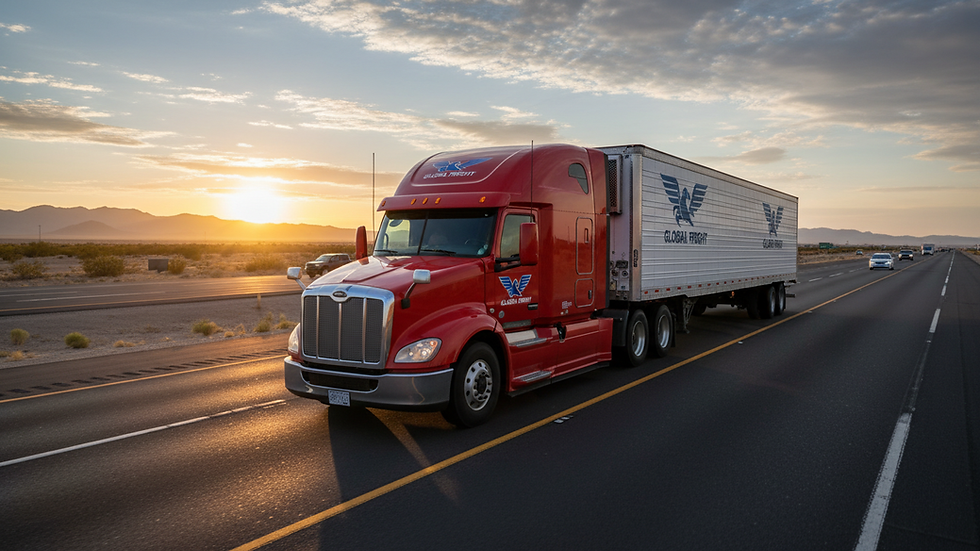
Captions should be brief but informative, reinforcing the message in the paragraph.
Incorporating SEO Without Losing Authenticity
SEO is crucial for making your blog discoverable, but it should never compromise the quality of your writing. Use keywords naturally and avoid stuffing. For example, include the phrase business logistics blog once in a relevant sentence to boost search rankings without sounding forced.
Focus on user intent by answering common questions and addressing pain points. This approach not only improves SEO but also builds trust with readers.
Practical Examples and Actionable Recommendations
Readers appreciate blogs that offer clear steps they can follow. Here are some examples of actionable content ideas for a logistics blog:
How to Choose the Right Freight Partner
Explain criteria such as reliability, coverage, and technology integration.
Example: "Look for partners with a proven track record in land, sea, and air freight to ensure seamless delivery."
Tips for Streamlining Supply Chain Operations
Suggest strategies like inventory management software or route optimization.
Example: "Implementing real-time tracking can reduce delays and improve customer satisfaction."
Understanding Freight Costs and How to Reduce Them
Break down cost components and offer negotiation tips.
Example: "Consolidating shipments can lower expenses by maximizing container space."
Including such practical advice positions your blog as a valuable resource.

Building a Consistent Blogging Strategy
Consistency is key to maintaining reader interest and improving SEO. Set a realistic publishing schedule, whether weekly or biweekly, and stick to it. Plan content around themes relevant to your audience, such as:
Industry trends and innovations
Case studies of successful logistics projects
Regulatory updates affecting freight transport
Use a content calendar to organize topics and deadlines. This approach ensures a steady flow of fresh, relevant content that keeps your audience coming back.
Final Thoughts on Effective Logistics Blogging
Creating an engaging business logistics blog requires a blend of clear communication, practical insights, and strategic SEO. By focusing on the needs of businesses seeking dependable freight solutions, your blog can become a trusted source of information and a powerful marketing tool.
Remember to keep sentences short, use active voice, and maintain an upbeat rhythm throughout your posts. With these logistics blogging tips, you’re well on your way to building a compelling online presence that supports your business goals.
Start crafting your next post today and watch your logistics expertise shine!


