Mastering Land Cargo Transportation in Malaysia
- Chanky Logistics

- Jun 22
- 4 min read
Efficient land cargo transportation is the backbone of any thriving business in Malaysia. With the country’s strategic location and growing economy, mastering the art of moving goods over land is essential. Whether you’re shipping raw materials or finished products, understanding the nuances of land freight can save time, reduce costs, and boost customer satisfaction.
In this post, we’ll explore key strategies and insights to help you navigate the complexities of land cargo transportation in Malaysia. From choosing the right transport modes to understanding documentation, we cover everything you need to know to optimize your supply chain.
Understanding Land Cargo Transportation in Malaysia
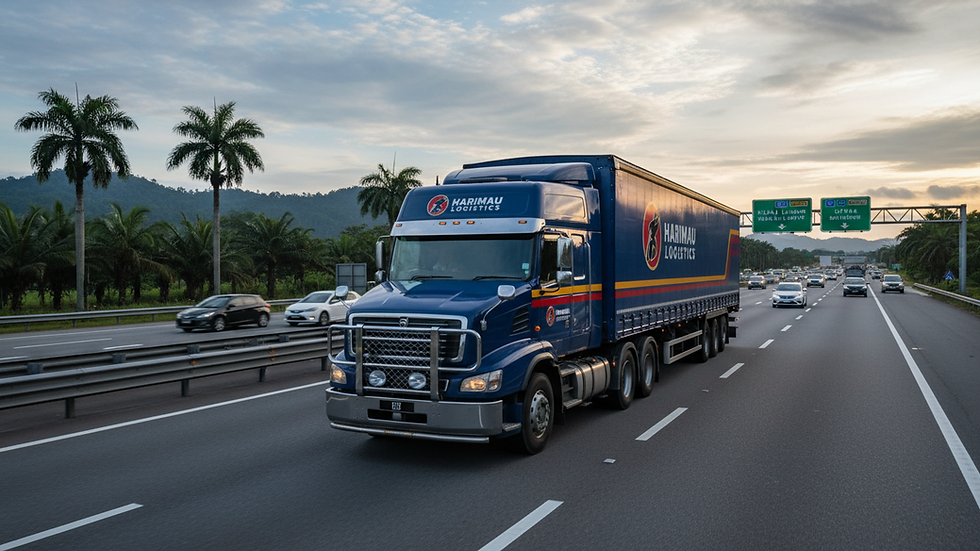
Land cargo transportation in Malaysia involves moving goods via road networks connecting cities, ports, and industrial zones. The country’s extensive highway system, including the North-South Expressway, facilitates fast and reliable freight movement. However, challenges such as traffic congestion, toll costs, and regulatory compliance require careful planning.
To succeed, businesses must:
Select appropriate vehicle types: From light trucks for small loads to heavy-duty trailers for bulk shipments.
Plan routes strategically: Avoid peak traffic hours and consider alternative routes to reduce delays.
Coordinate with local authorities: Ensure permits and licenses are in place, especially for oversized or hazardous cargo.
For example, a manufacturer in Penang shipping electronics to Kuala Lumpur can save days by choosing express freight services and avoiding congested urban centers during rush hours.
Key Factors Influencing Land Cargo Transportation Efficiency
Several factors impact the efficiency of land cargo transportation in Malaysia. Understanding these can help businesses optimize their logistics operations.
Infrastructure Quality
Malaysia boasts well-maintained highways and road networks, but rural areas may have less developed roads. Choosing routes with good infrastructure reduces vehicle wear and tear and speeds up delivery.
Vehicle Maintenance and Fleet Management
Regular maintenance ensures vehicles run smoothly and reduces breakdown risks. Investing in fleet management technology helps track shipments in real-time and improves scheduling.
Regulatory Compliance
Malaysia’s transport regulations cover vehicle weight limits, driver working hours, and safety standards. Non-compliance can lead to fines and shipment delays. Staying updated on regulations is crucial.
Weather Conditions
Tropical weather can cause flooding and road closures. Planning for seasonal weather patterns and having contingency plans ensures uninterrupted delivery.
Cost Management
Balancing cost and service quality is key. Negotiating toll discounts, optimizing fuel consumption, and consolidating shipments can reduce expenses.
What are the three types of BL?
In land cargo transportation, understanding the Bill of Lading (BL) is vital. The BL serves as a contract between the shipper and carrier, a receipt for goods, and a document of title. There are three main types of BL:
Straight Bill of Lading
Non-negotiable and issued to a specific consignee. It cannot be transferred to another party. This type is common for direct shipments where the consignee is known.
Order Bill of Lading
Negotiable and can be transferred by endorsement. This flexibility allows the consignee to sell or transfer ownership of the goods while in transit.
Bearer Bill of Lading
The holder of the document has ownership rights. It is less common due to security risks but useful in certain trade scenarios.
Choosing the right BL type depends on your business needs and the nature of the transaction. For example, exporters dealing with multiple buyers may prefer an order BL for flexibility.
Leveraging Technology for Smarter Land Freight Logistics
Technology is transforming how businesses manage land freight logistics. Implementing digital tools can enhance visibility, reduce errors, and improve decision-making.
GPS Tracking and Telematics
Real-time GPS tracking allows monitoring of vehicle location, speed, and route adherence. Telematics systems provide data on fuel consumption and driver behavior, helping optimize operations.
Warehouse Management Systems (WMS)
Integrating WMS with transportation management ensures smooth cargo handling and timely dispatch. It reduces manual errors and improves inventory accuracy.
Automated Documentation
Digital platforms streamline paperwork such as invoices, BLs, and customs declarations. This speeds up processing and reduces the risk of lost documents.
Data Analytics
Analyzing shipment data helps identify bottlenecks and forecast demand. Businesses can adjust routes, schedules, and fleet size based on insights.
By embracing these technologies, companies can stay competitive and meet customer expectations for fast, reliable delivery.

Best Practices for Choosing a Land Freight Partner in Malaysia
Selecting the right logistics partner is crucial for mastering land cargo transportation. Here are some tips to guide your choice:
Experience and Reputation: Look for companies with proven track records in Malaysian freight transport.
Fleet Capabilities: Ensure they have the right vehicles for your cargo type and volume.
Compliance and Safety: Verify adherence to local regulations and safety standards.
Technology Adoption: Partners using modern tracking and management systems offer better service.
Customer Support: Responsive communication is vital for handling issues promptly.
Cost Transparency: Clear pricing without hidden fees helps budget planning.
For instance, a logistics provider offering end-to-end solutions including warehousing, customs clearance, and last-mile delivery can simplify your supply chain.
Enhancing Supply Chain Resilience Through Land Cargo Transportation
In today’s dynamic market, supply chain resilience is more important than ever. Efficient land cargo transportation plays a key role in this.
Diversify Routes: Avoid relying on a single route to mitigate risks from road closures or disruptions.
Maintain Safety Stock: Keep buffer inventory to handle delays without impacting customers.
Collaborate Closely: Work with suppliers and carriers to share information and coordinate responses.
Invest in Training: Equip your logistics team with skills to manage emergencies and optimize operations.
By focusing on these areas, businesses can reduce downtime and maintain steady product flow even during challenges.
Mastering land cargo transportation in Malaysia requires a blend of strategic planning, technology adoption, and strong partnerships. By understanding the local landscape and applying best practices, businesses can unlock new growth opportunities and deliver exceptional service. Let’s keep moving forward with confidence and efficiency!


